Are they programmed in their genes to get fat?
No.
There’s nothing inherently wrong with these species. The problem is the food they’re eating: highly concentrated, calorie-dense foods.
The foods humans consume in the modern world are largely refined plant foods stripped of their fiber, water, and much of their nutrition, along with animal products. A diet rich in fat, refined sugars, and sodium that hijack our satiety signals and create a low-grade addiction to these highly concentrated foods.
It’s a diet that makes it incredibly easy to overeat. A dietary pattern that has taught us to control portions and restrict calories — and has turned us into yo-yo dieters.
Yet there are entire populations where people are not overweight and never have to diet. Do they have some kind of “slender gene”?
Not at all.
Because when people from these populations move to the developed Western world, they often become overweight themselves.
So what do they eat that allows them to maintain a healthy weight without dieting? Low-fat, high-carb, fiber-rich diets.
Fruit, vegetables, whole grains, legumes, mushrooms, seaweed, herbs and spices, with a little bit of nuts and seeds.
They get more than 75% of their daily calories from carbohydrates, less than 10% from fat, and naturally modest amounts of protein. They don’t eat refined foods, and animal products are treated more like seasonings.
And they eat ad libitum — meaning they follow their hunger and satiety signals.
Their diet is low in calorie density, the opposite of the highly calorie-dense diets commonly consumed by overweight and obese populations.
Slender populations eat foods that are below 700 calories per pound. Again, these are fiber-rich, water-heavy, low-fat foods: fruit, vegetables, whole grains, legumes, mushrooms, and seaweed.
Overweight populations, by contrast, get less than 10% of their daily calories from these low-calorie-density foods. Almost half of their calories come from refined carbohydrates and oils, while more than 40% come from animal products.
These are foods that average around 2,000 calories per pound.
Ouch.
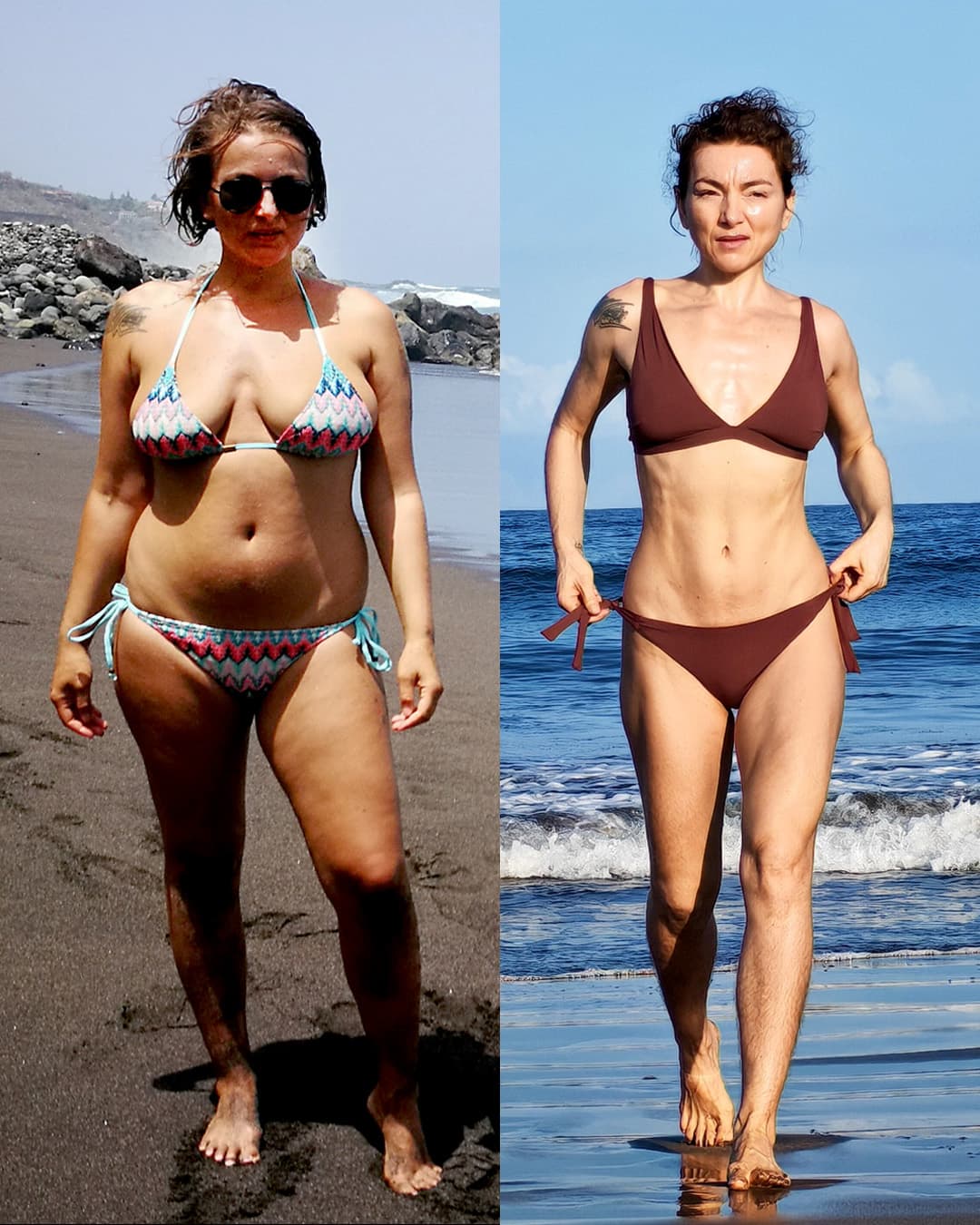
One group is more likely to become overweight, develop chronic diseases, take medications, and spend the second half of life living with disabilities related to diet and lifestyle — while making the same New Year’s resolution year after year: lose weight.
Very often, they’re on a diet.
The other group lives longer, healthier, higher-quality lives, has no disabilities — and remains lean from childhood into old age.
It’s pretty obvious which camp we all want to be in.
The question is: How do we get there?